THE CANADIAN RAILROAD HISTORICAL ASSOCIATION
Pacific Coast Division
Explore the rich history of Canadian railroads and their vital role in building British Columbia and our nation.
The railroad was the backbone of Canada's development, connecting distant communities, enabling commerce, and unifying a vast nation from sea to sea.
The story of Canadian railroads is the story of our nation itself. From the first railway lines in the 1830s to the completion of the transcontinental Canadian Pacific Railway in 1885, railways transformed Canada from a collection of scattered settlements into a unified country.
Here in British Columbia, the railway was particularly transformative. The promise of a transcontinental railroad was essential to BC joining Confederation in 1871, and the arrival of the railway in 1886 marked the beginning of Vancouver's growth into Canada's Pacific gateway.
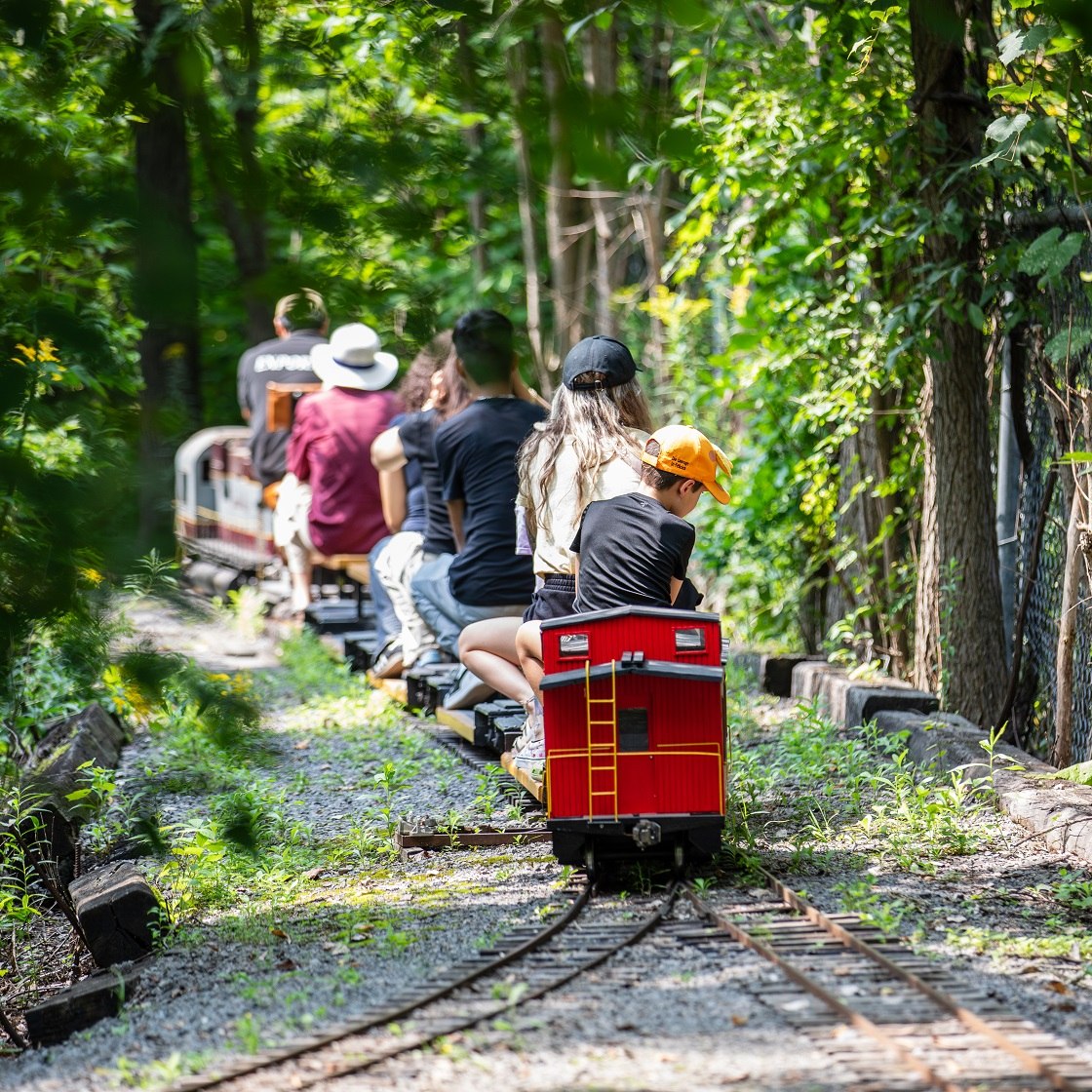
Key moments in the development of Canadian railways and their impact on the Pacific Coast.
BC joins Canada with the promise of a transcontinental railway to connect the Pacific province with the rest of Canada.
The CPR is incorporated to build and operate the transcontinental railway, one of the largest construction projects in history.
The Esquimalt and Nanaimo Railway is established on Vancouver Island, connecting Victoria with coal mining regions to the north.
The famous "Last Spike" is driven at Craigellachie, BC, completing the transcontinental Canadian Pacific Railway.
Engine No. 374 pulls the first transcontinental passenger train to arrive in Vancouver on May 23, 1887, marking a historic moment.
The Canadian Railroad Historical Association is founded, beginning the organized effort to preserve Canadian railway heritage.
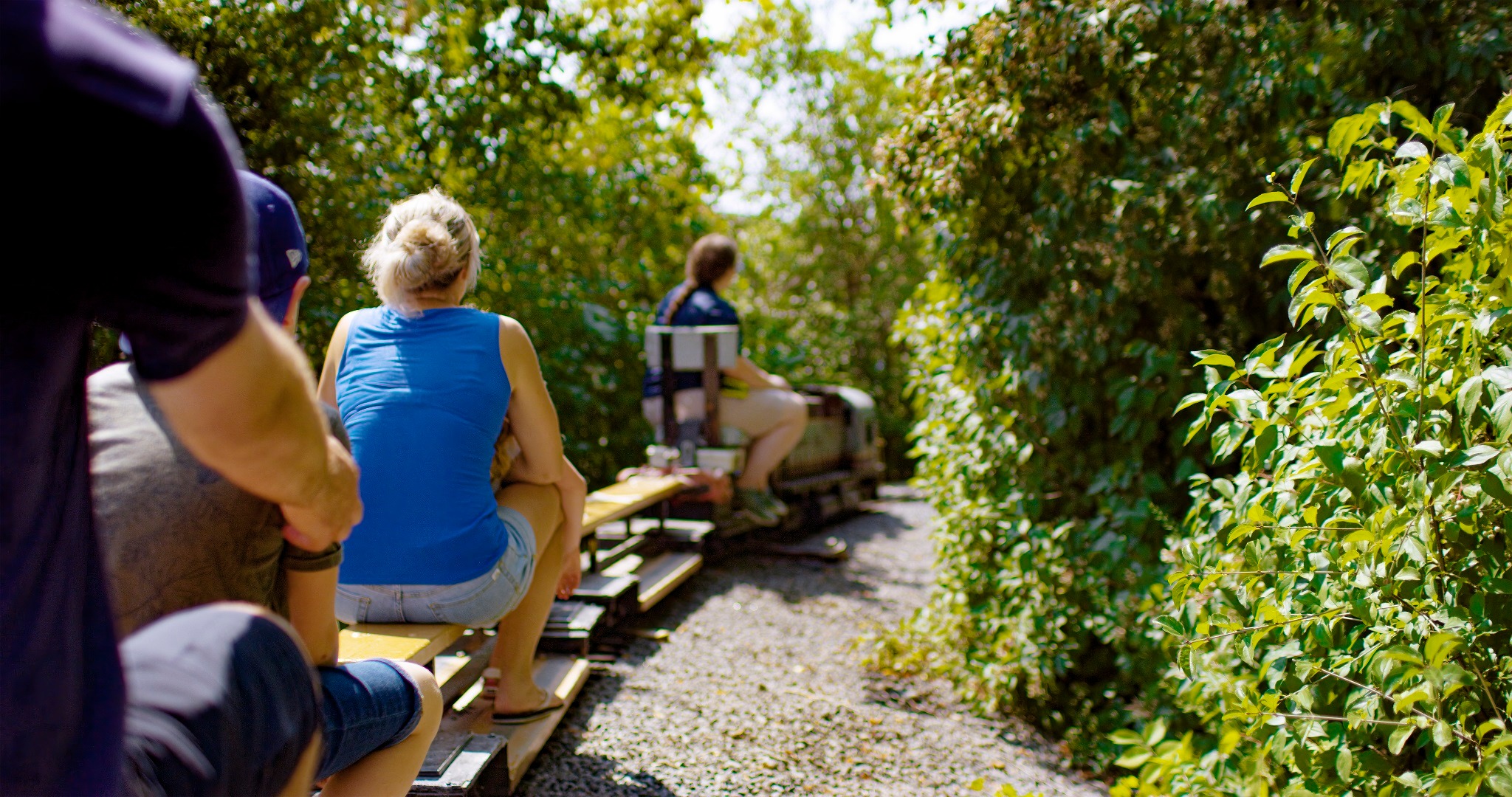
The Esquimalt and Nanaimo Railway (E&N) holds a special place in British Columbia's history. Built in the 1880s, it was essential to the development of Vancouver Island.
The railway was built largely to transport coal from the mines around Nanaimo, but it quickly became vital for passenger travel and freight, connecting communities along the island's east coast.
Robert Dunsmuir, a coal mining magnate, received substantial land grants and financial support to build the railway as part of BC's terms for joining Confederation. The E&N Railway formally opened in 1886.
The Canadian Pacific Railway is one of the greatest engineering achievements in Canadian history. Building a railway through the Rocky Mountains and across the vast prairies was an enormous undertaking that required incredible ingenuity and sacrifice.
The CPR transformed Vancouver from a small mill town called Granville into Canada's Pacific gateway. When the first scheduled transcontinental train arrived in 1887, pulled by the famous Engine 374, it marked the beginning of Vancouver's rise as a major city.
The railway brought settlers, enabled trade, and connected British Columbia to the rest of Canada in ways that were previously impossible. Today, CPR's historic legacy remains visible in the architecture, communities, and culture of the west coast.
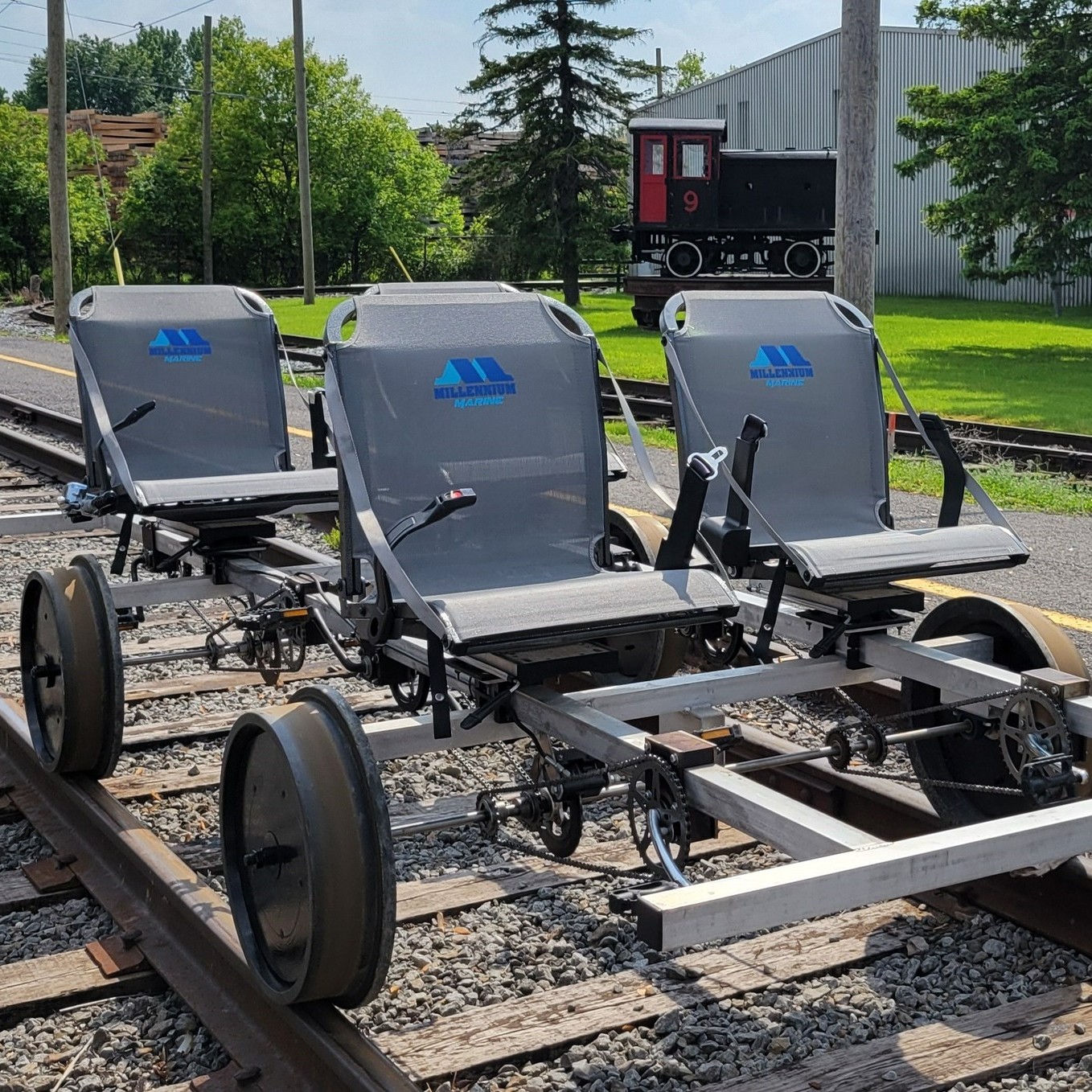
Our archival collection helps researchers and enthusiasts explore Canadian railway history.
Our collection includes thousands of photographs documenting railways, stations, equipment, and the people who built and operated them.
Original documents, timetables, maps, blueprints, and corporate records provide insight into railway operations and history.
Our journal archives contain decades of research, articles, and photographs. Back issues are available for purchase.

Join us at our meetings to learn more about Canadian railway history from experts and enthusiasts.